
The Ultimate Guide to Full Hard Tinplate Coils: Properties and Uses
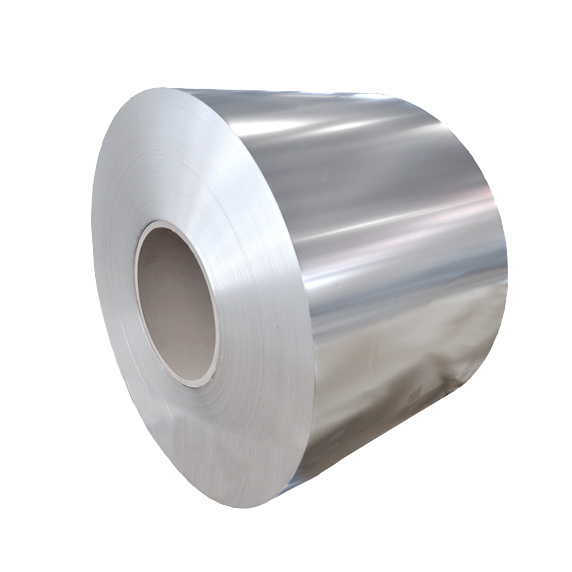
What exactly is full hard tinplate and why is it essential in modern manufacturing? Full hard tinplate coils are cold-rolled steel sheets coated with a thin layer of tin, processed through temper rolling to achieve maximum hardness without annealing. This unique manufacturing process creates a material that combines steel’s strength with tin’s protective qualities, making it indispensable across numerous industries.
What makes full hard tinplate stand out from other steel products? The key properties include exceptional formability, remarkable corrosion resistance, and superior surface finish. Unlike annealed tinplate, full hard tinplate offers higher yield strength (typically 55,000-70,000 psi) while maintaining the ability to be shaped into complex forms through precise metalworking techniques. Its uniform thickness and consistent surface quality ensure reliable performance in high-speed manufacturing environments.
Where can we find full hard tinplate in practical applications? The food and beverage industry relies heavily on this material for cans, lids, and closures, where its non-toxic tin coating provides product safety while maintaining structural integrity. Beyond food packaging, full hard tinplate serves in chemical containers, aerosol cans, paint cans, and various industrial applications requiring both durability and corrosion protection. Its versatility extends to electrical components and specialty packaging where barrier properties are critical.
How does full hard tinplate compare to alternative materials? Unlike aluminum or polymer-based alternatives, tinplate offers superior formability at a competitive cost point. While aluminum provides lighter weight, tinplate delivers better edge strength and dent resistance. Compared to other steel coatings, tinplate’s unique combination of corrosion resistance, solderability, and paintability makes it the preferred choice for many demanding applications.
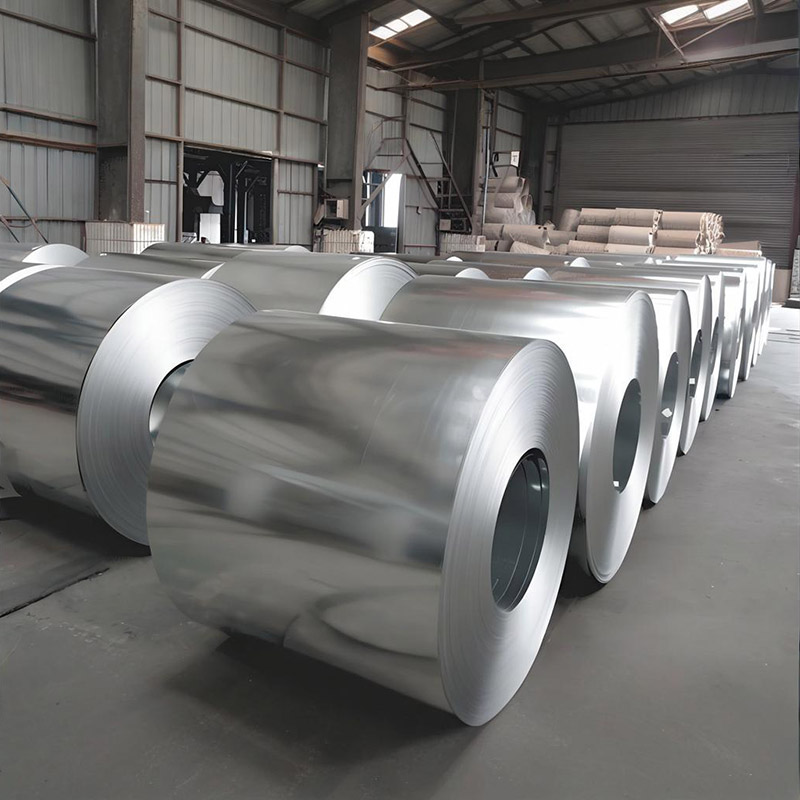
What best practices should manufacturers follow when handling full hard tinplate coils? Proper storage in dry, climate-controlled environments prevents surface damage and maintains coating integrity. When slitting full hard tinplate, specialized tooling and precise parameters are essential to avoid edge burrs or deformation. Forming operations should account for the material’s higher strength requirements, using appropriate press designs and lubrication systems to maximize production efficiency.
The future of full hard tinplate continues to evolve with advancements in coating technologies and manufacturing processes. As industries increasingly demand sustainable packaging solutions, tinplate’s high recyclability positions it as an environmentally responsible choice. By understanding its unique properties and applications, manufacturers can leverage full hard tinplate coils to create innovative, high-quality products that meet the rigorous demands of modern consumers.

 Catalan
  English (United States)
  Japanese
  Afrikaans
  Amharic
  Aragonese
  Arabic
  Moroccan Arabic
  Assamese
  Vietnamese
  Uzbek
Uzbek  Urdu
Urdu  Ukrainian
  Tahitian
  Tatar
Tatar  Turkish
  Tagalog
  South Azerbaijani
  Tibetan
  Bosnian
  German
  Spanish (Spain)
  Estonian
  Italian
  Saraiki
  Kannada
  Korean
  Greek
Greek  Indonesian
  Icelandic
  Marathi
  English (Australia)
  English (Canada)
  English (South Africa)
  English (New Zealand)
  English (UK)
  Azerbaijani
  Belarusian
  Bengali
  Cebuano
  Czech
Czech  Welsh
Welsh  Danish
  German (Switzerland)
  German (Austria)
  Lower Sorbian
  Dzongkha
  Esperanto
  Spanish (Peru)
  Spanish (Mexico)
  Spanish (Colombia)
  Spanish (Argentina)
  Spanish (Ecuador)
  Basque
  Persian (Afghanistan)
  Persian
  Finnish
  French (Canada)
  French (Belgium)
  Friulian
  Frisian
  Scottish Gaelic
  Galician
  Gujarati
  Hazaragi
  Hebrew
  Hindi
Hindi  Croatian
  Upper Sorbian
  Uighur
  Thai
Thai  Telugu
  Tamil (Sri Lanka)
  Tamil
Tamil  Silesian
  Swahili
  Swedish
  Albanian
  Slovenian
  Slovak
  Sinhala
  Sindhi
  Sakha
Sakha  Russian
  Romanian
  Rohingya
  Portuguese (Brazil)
  Portuguese (Angola)
  Portuguese (Portugal, AO90)
  Portuguese (Portugal)
  Pashto
  Polish
  Panjabi
  Occitan
  Norwegian
  Dutch
Dutch  Dutch (Belgium)