Ultimate Guide to Large Diameter Tinplate Coils
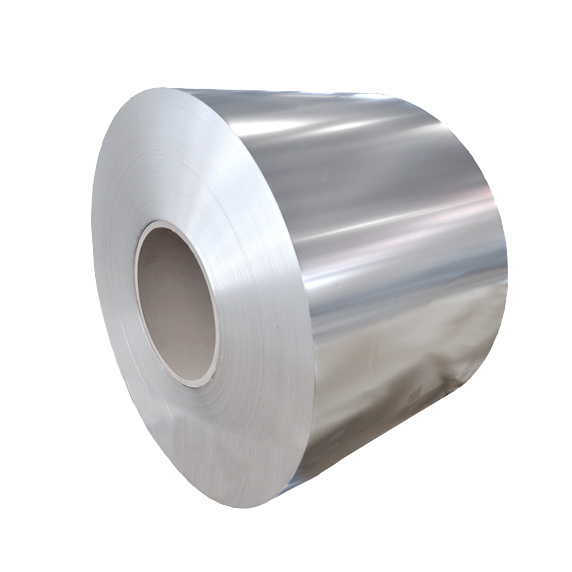
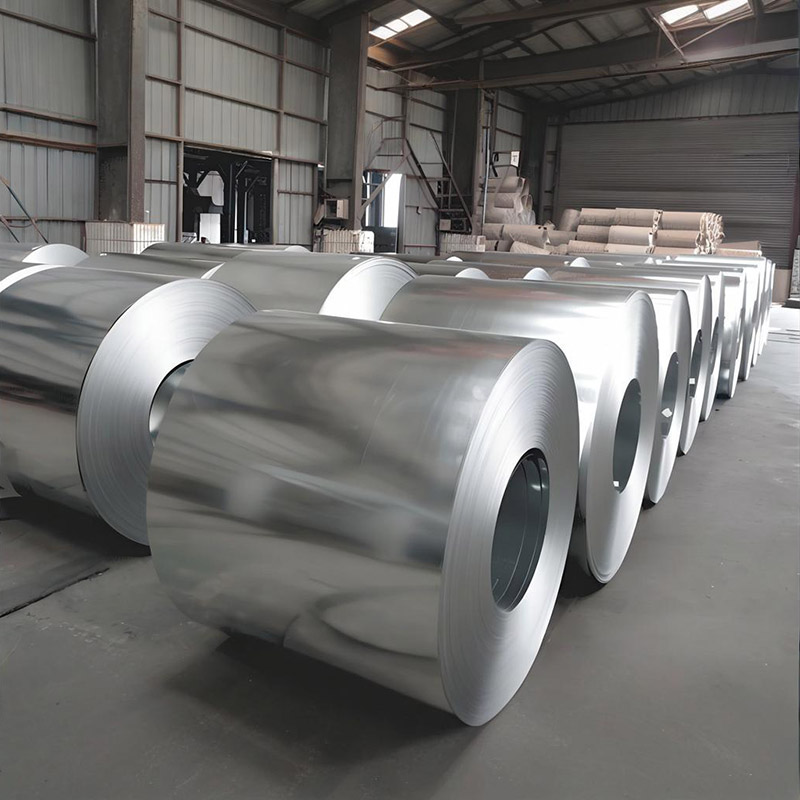
What exactly are large diameter tinplate coils and why are they essential in modern manufacturing? These coils refer to wide, flat-rolled steel sheets coated with a thin layer of tin, wound into large rolls typically exceeding 24 inches in diameter. They serve as fundamental materials in numerous industries, particularly in packaging, where their unique combination of strength, formability, and corrosion resistance makes them indispensable.
What advantages do large diameter tinplate coils offer over smaller alternatives? The primary benefit lies in their efficiency. Larger coils reduce frequency of roll changes, minimizing downtime in production lines. They also provide more consistent material quality throughout the length, resulting in fewer defects and higher yield rates. Additionally, their increased surface area allows for more efficient transportation and storage, reducing overall logistics costs.
How are large diameter tinplate coils manufactured? The process begins with cold rolling steel slabs to achieve precise thickness, followed by electrolytic tin coating applied through a sophisticated electroplating technique. Modern manufacturing incorporates advanced quality control systems, including laser measurement and automated inspection, to ensure consistent coating weight, surface finish, and mechanical properties across the entire coil.
Industry Insights and Best Practices
From our experience working with manufacturers worldwide, implementing proper handling procedures significantly extends coil life. Always store coils in a dry, climate-controlled environment away from direct moisture. Use appropriate equipment with protective padding when moving coils to prevent edge damage. Many facilities have reported reduced coating defects and improved formability by simply adjusting their storage and handling protocols.
What specifications should buyers consider when selecting large diameter tinplate coils? Key parameters include thickness (typically ranging from 0.15mm to 0.49mm), width (commonly up to 1,000mm), coating weight, temper (from T1 to T5), and surface finish (such as matte, bright, or stone finish). Each application requires specific combinations of these properties to optimize performance and cost-efficiency.
As sustainability becomes increasingly important, the tinplate industry continues to evolve. Manufacturers are developing thinner yet stronger tinplate options that maintain performance while reducing material usage. Additionally, advancements in recycling technologies have made tinplate one of the most sustainable packaging materials, with recycling rates exceeding 80% in many regions.
In conclusion, large diameter tinplate coils play a crucial role in modern manufacturing, particularly in the packaging industry. Understanding their properties, manufacturing processes, and proper handling techniques is essential for maximizing their benefits. As technology advances, these materials will continue to evolve, offering even greater performance and sustainability for future applications.